

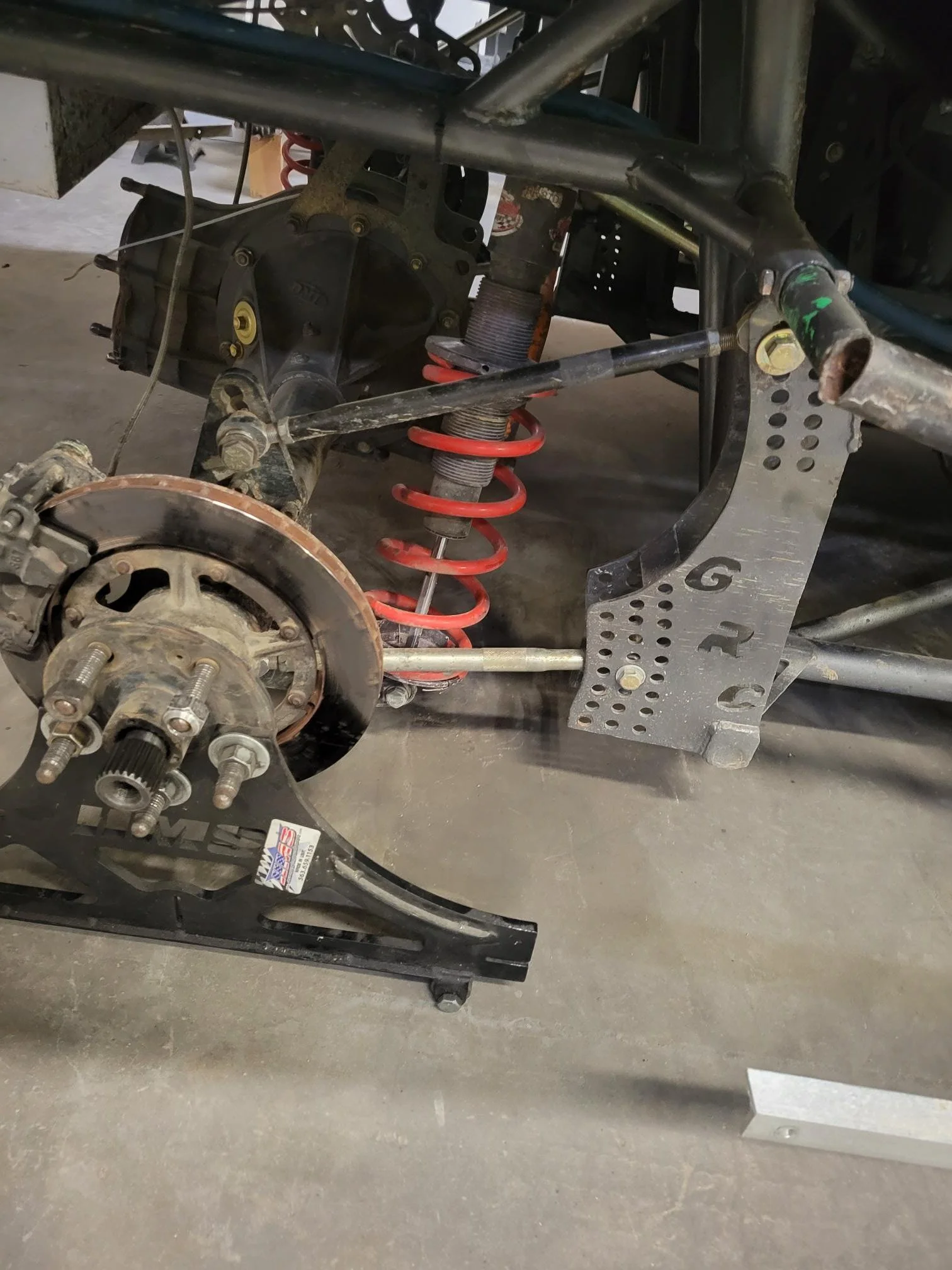
SETUP & ALIGNMENT SERVICES
Measure • Adjust • Scale • Document
Complete baseline setup and alignment services for IMCA Modifieds and IMCA Northern SportMods.
START WITH A
SOLID BASELINE
IMCA Modifieds • IMCA Northern SportMods
A properly established baseline gives you a known starting point for understanding your race car and making adjustments at the track. Our Setup & Alignment service takes a detailed, front-to-rear approach to measuring, adjusting, scaling, and documenting your chassis.
Whether you have an IMCA Modified or Northern SportMod, we're looking at much more than just the numbers on the scales. We document the suspension geometry, alignment, springs, tires, chassis settings, and weight distribution that make up your complete baseline.
SETUP SERVICES FOR YOUR DIVISION
Every race car is different. Our setup process is tailored to the chassis, suspension design, division, and driver to establish a complete and repeatable baseline.
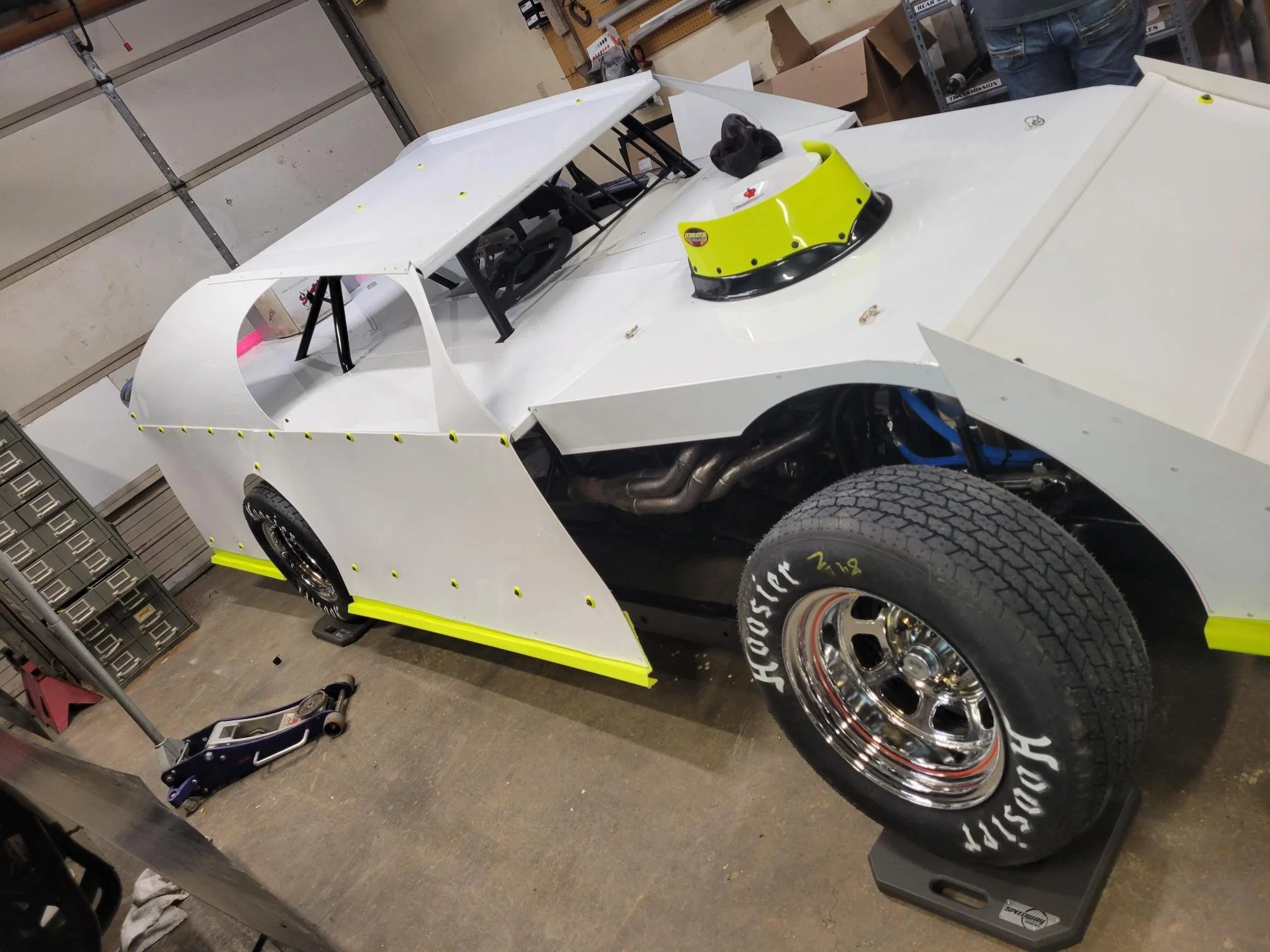
IMCA MODIFIEDS
Four-Link • Pull Bar • J-Bar • Front-End Geometry • Scaling
Our IMCA Modified setup service takes a detailed look at the complete chassis, including front-end alignment and geometry, spring package, wheelbase, pull bar, J-bar, four-link locations and angles, droop, hike, tires, stagger, spring loads, and weight distribution.
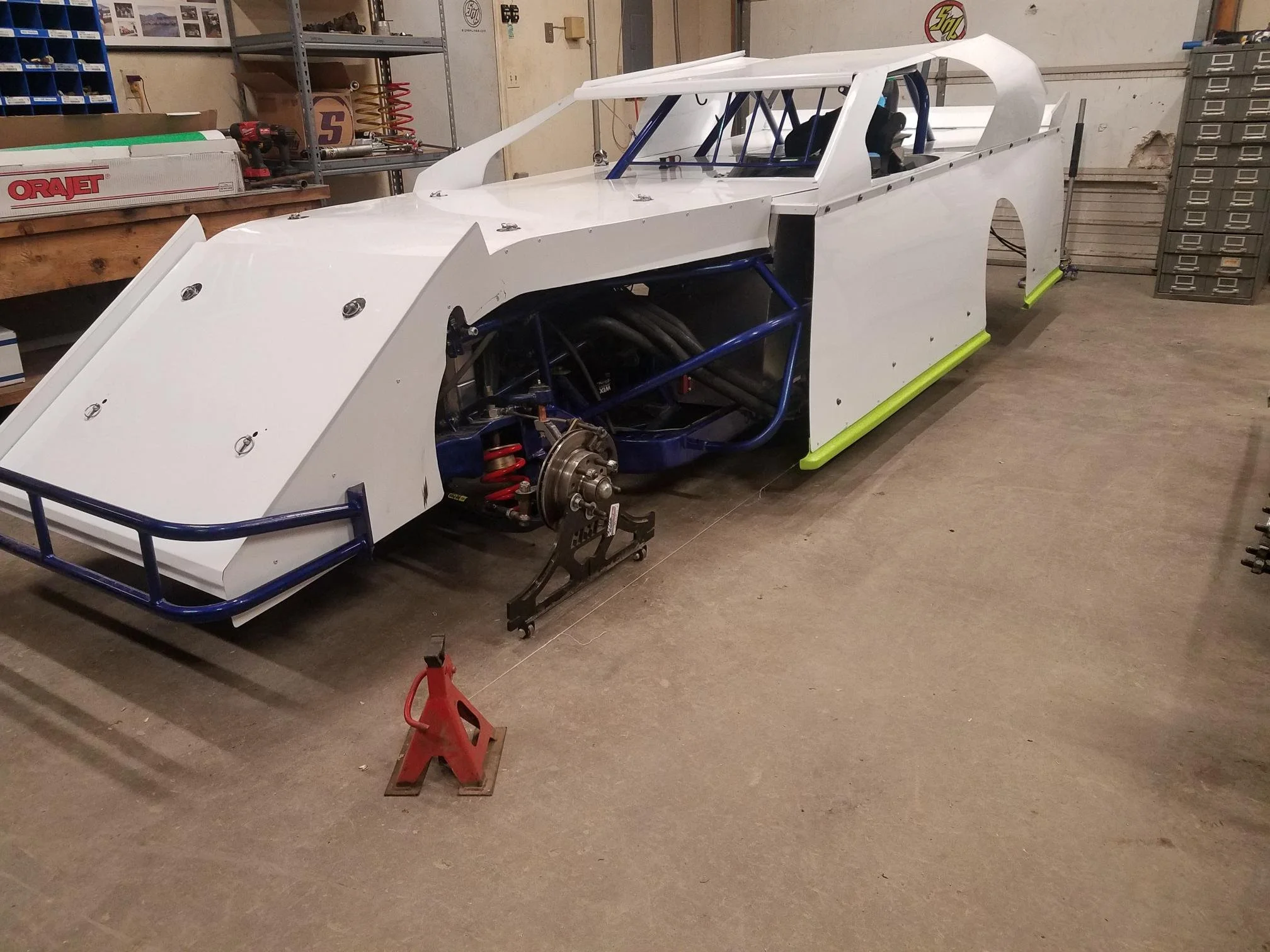
IMCA NORTHERN SPORT MODS
Third Link • Panhard Bar • Trailing Arms • Front-End Geometry • Scaling
Our Northern SportMod setup service establishes and documents the complete chassis baseline, including front-end alignment, spring package, wheelbase, third-link and Panhard settings, rear trailing arms, droop, tires, stagger, spring loads, and weight distribution.
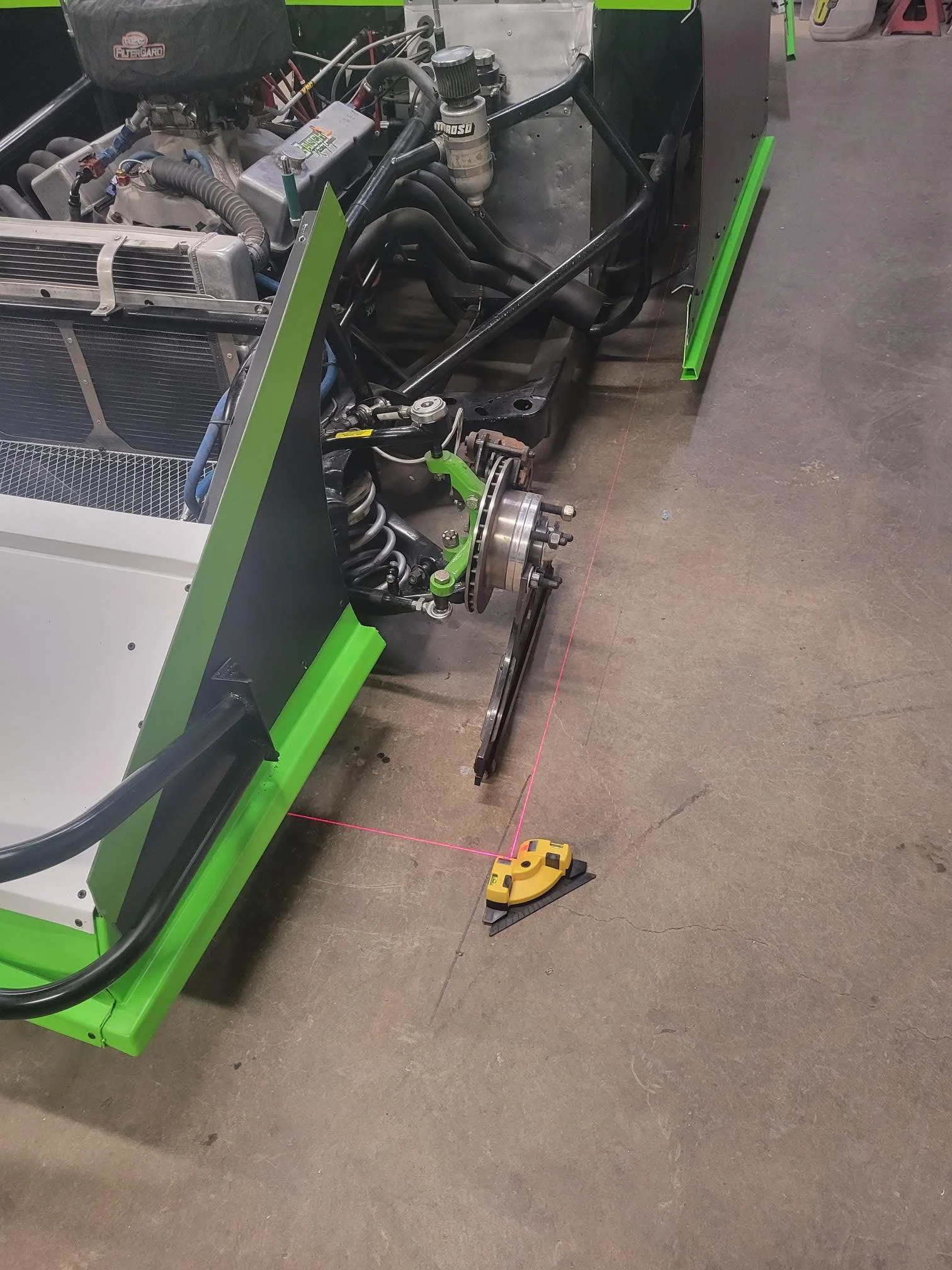
PRECISION STARTS AT THE FRONT
Ride Height • Toe • Caster • Camber • Wheel Placement • Suspension Geometry
A properly set front end is an important part of establishing a consistent baseline. We measure, adjust, and document the front suspension so you know exactly where your race car is starting before it hits the track.
-
Front ride heights are measured and adjusted using consistent reference points to establish the proper chassis baseline.
-
Toe, tie-rod measurements, centerlink position, and steering alignment are checked and documented to establish a repeatable front-end setting.
-
Caster and camber are measured and adjusted at the left and right front to establish the desired front-end geometry.
-
Front wheel placement is measured in relation to the suspension mounting points to document the position of each front wheel.
-
Upper A-arm lengths, mounting positions, and angles are measured and documented to better understand the front suspension geometry.
-
Ball-joint configuration and spindle measurements are documented where applicable because these components can affect front suspension geometry and roll-center characteristics.
MEASURE IT. SET IT. DOCUMENT IT.
Every measurement becomes part of the car’s baseline, giving you a known reference for future adjustments and helping you understand how changes affect the race car.
GET THE REAR WORKING
Geometry • Location • Travel • Balance
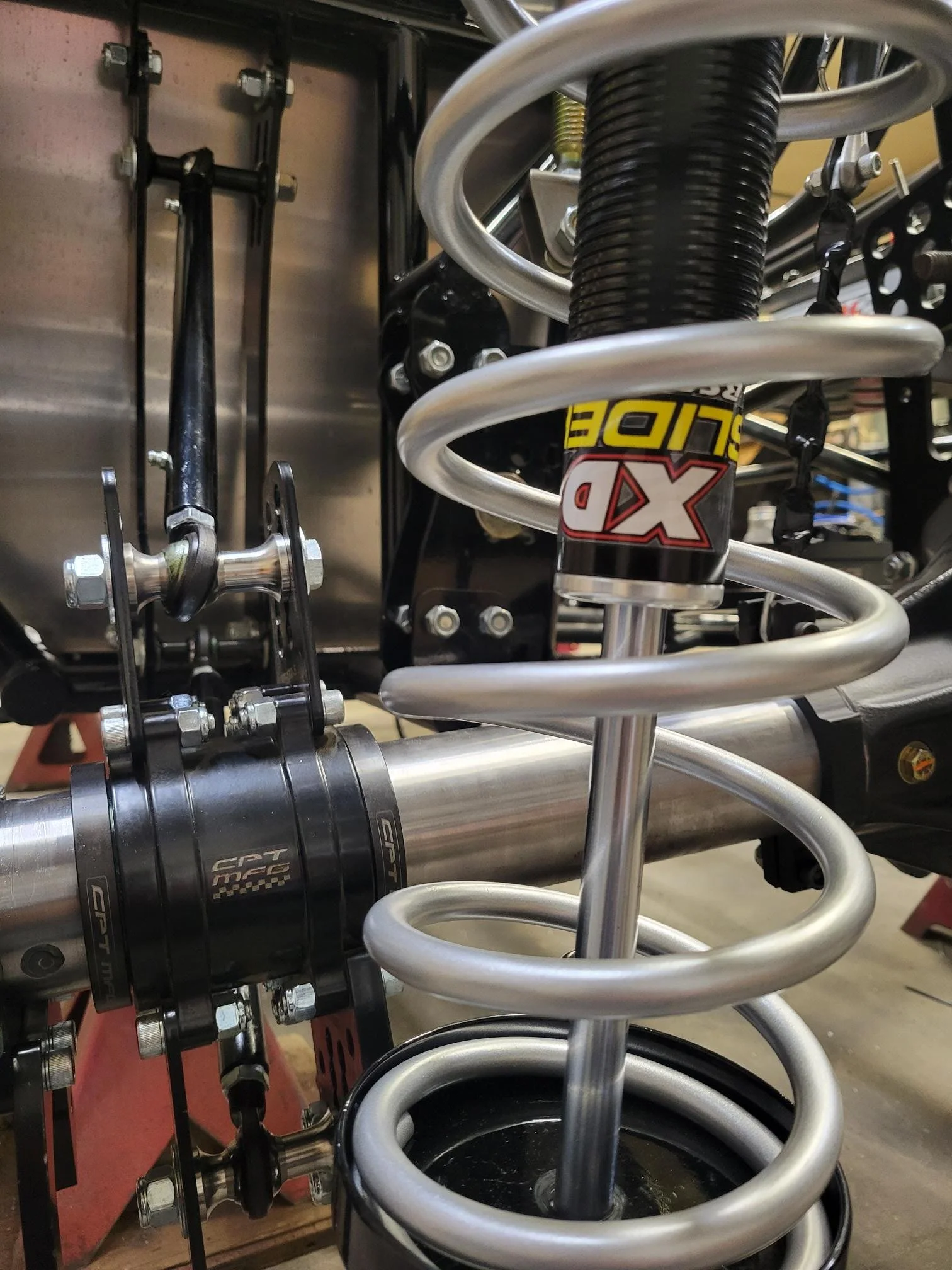
The rear suspension plays a major role in how the race car gets into the corner, rotates through the center, and puts power to the track. We measure and document the rear suspension to establish a known, repeatable baseline for your chassis.
-
Wheelbase and rear-end position are measured and documented to establish proper placement and provide a consistent reference for future setup changes.
-
Pinion angle is checked and recorded as part of establishing the complete rear suspension baseline.
-
For IMCA Modifieds, we document the pull bar length, angle, mounting locations, and configuration. Northern SportMods receive the same detailed attention to the third-link location and geometry.
-
J-bar settings on Modifieds and Panhard bar settings on Northern SportMods are measured and documented, including length, mounting locations, split, and rear-end position where applicable.
-
Trailing-arm lengths, mounting locations, angles, birdcage positions, and toe are measured and documented according to the suspension configuration. The Modified procedure includes upper and lower four-link bars, while the SportMod setup documents its respective trailing-arm arrangement.
-
Suspension travel, chain settings, and applicable left-rear hike and bar angle are checked and documented to establish a repeatable reference for rear suspension travel.
KNOW WHERE YOUR REAR SUSPENSION STARTED
By documenting the complete rear suspension baseline, you have known measurements to reference when making adjustments for changing track conditions and driver feedback.
BUILDING THE COMPLETE BASELINE
Springs • Tire Pressures • Tire Sizes • Wheel Offsets • Stagger
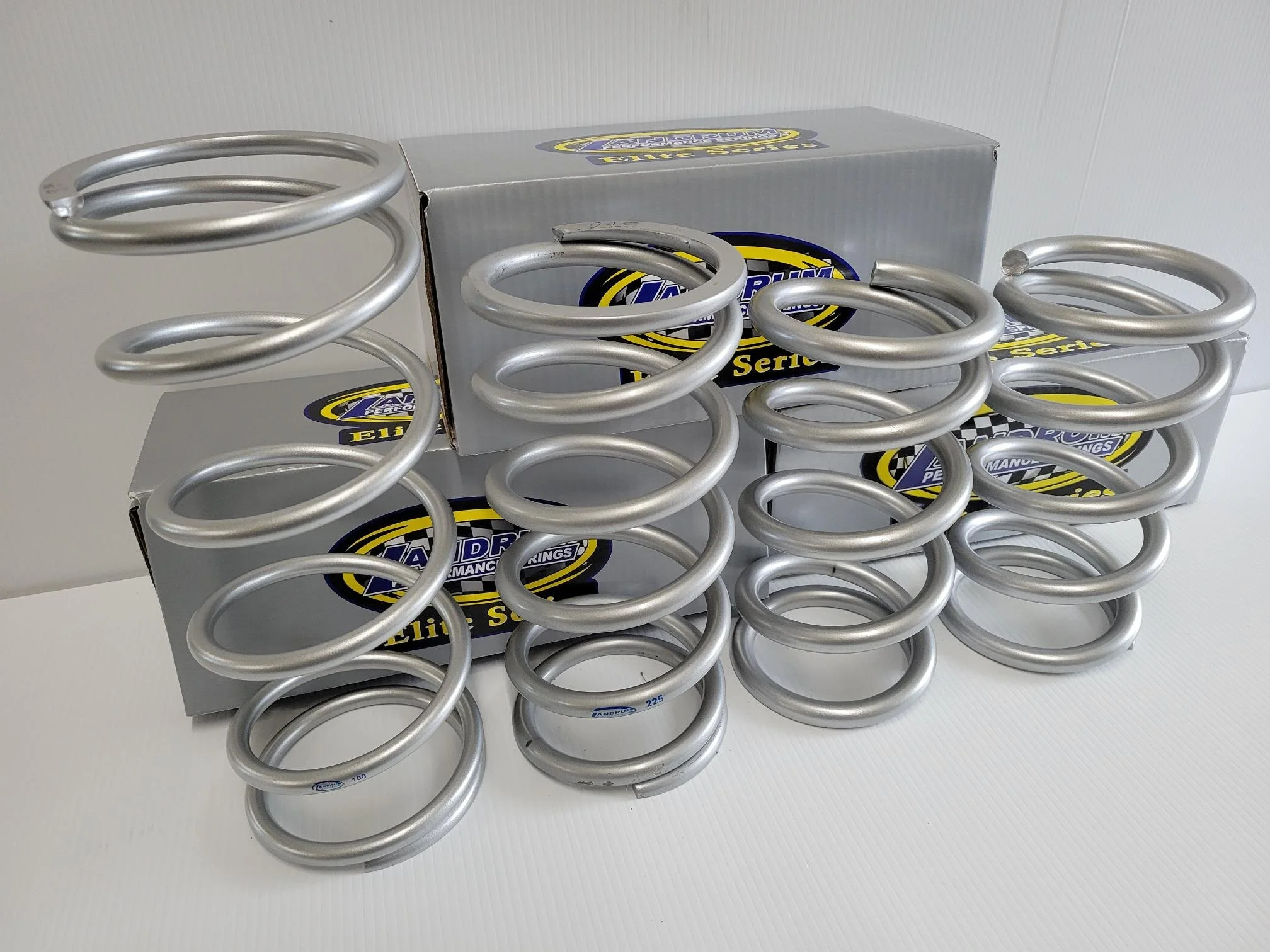
Springs and tires have a major influence on how the race car responds on the track. As part of the setup process, we document the spring package and establish consistent tire measurements, pressures, wheel offsets, and stagger so these variables can be tracked as the setup develops.
-
Spring rate, size, brand, and location are documented at all four corners to establish exactly what spring combination is being used in the baseline setup. Your setup procedures also account for adjusting ride height or load when spring changes are made.
-
Each tire is measured and its air pressure documented to establish a consistent starting point. Tire circumference is recorded at all four corners so changes can be accurately tracked.
-
Wheel offsets and applicable spacers are documented at each corner, giving you another known measurement to reference when making future chassis or handling adjustments.
-
Front and rear stagger are measured and recorded as part of the baseline. This gives you a known starting point that can be adjusted as track conditions and handling needs change. Both your Modified and SportMod setup sheets specifically record front and rear stagger.
CONSISTENCY STARTS WITH GOOD INFORMATION
By documenting the springs, tires, pressures, offsets, and stagger, we remove some of the guesswork and give you repeatable numbers to work from when making adjustments at the track.
PUTTING THE NUMBERS WHERE THEY NEED TO BE
Corner Weights • Left Side • Rear Percentage • Wedge • Ballast
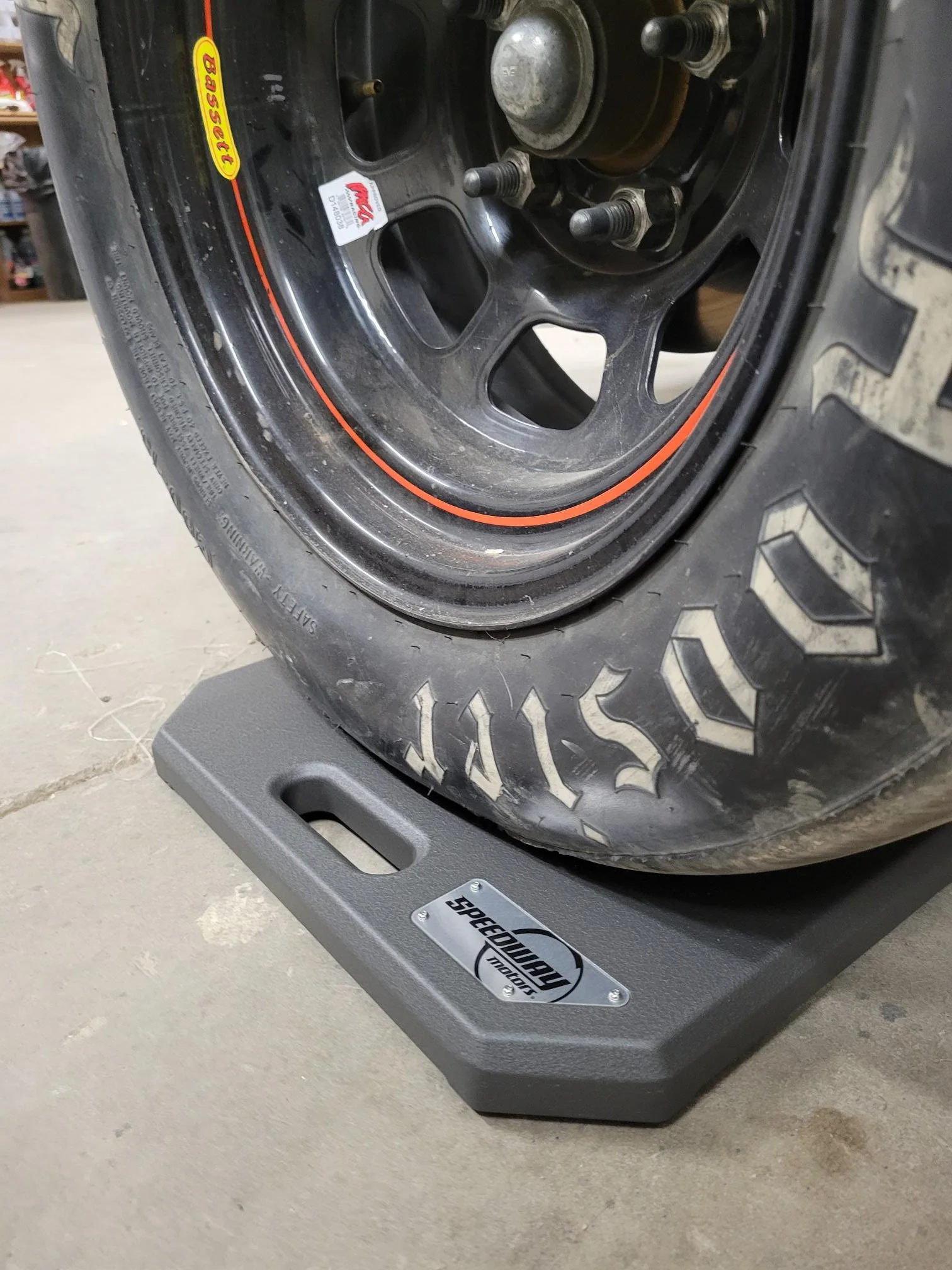
Once the chassis geometry, ride heights, springs, tires, and suspension settings are established, the race car is placed on the scales. This allows us to evaluate weight distribution, make the appropriate adjustments, and document a repeatable baseline for your racing program.
-
Individual left-front, right-front, left-rear, and right-rear wheel weights are measured and documented to show exactly how the car’s weight is distributed.
-
Left-side percentage, rear percentage, total weight, and wedge are recorded to establish the overall balance of the race car. Your SportMod setup sheet records each of these values as part of the baseline.
-
Driver weight, fuel load, and ballast are considered and documented so the scaling conditions can be repeated. Your setup procedures specifically establish fuel load as part of creating a consistent baseline.
-
Once the car is on the scales, adjustments can be made to establish the desired baseline before final measurements and settings are documented.
A BASELINE YOU CAN REPEAT
The goal isn't simply to hit a set of scale numbers. It's to establish and document a complete baseline that can be repeated, evaluated, and adjusted as you learn what the race car and driver need.
MORE THAN JUST SCALE NUMBERS
Spring Loads • Measurements • Balance • Reference
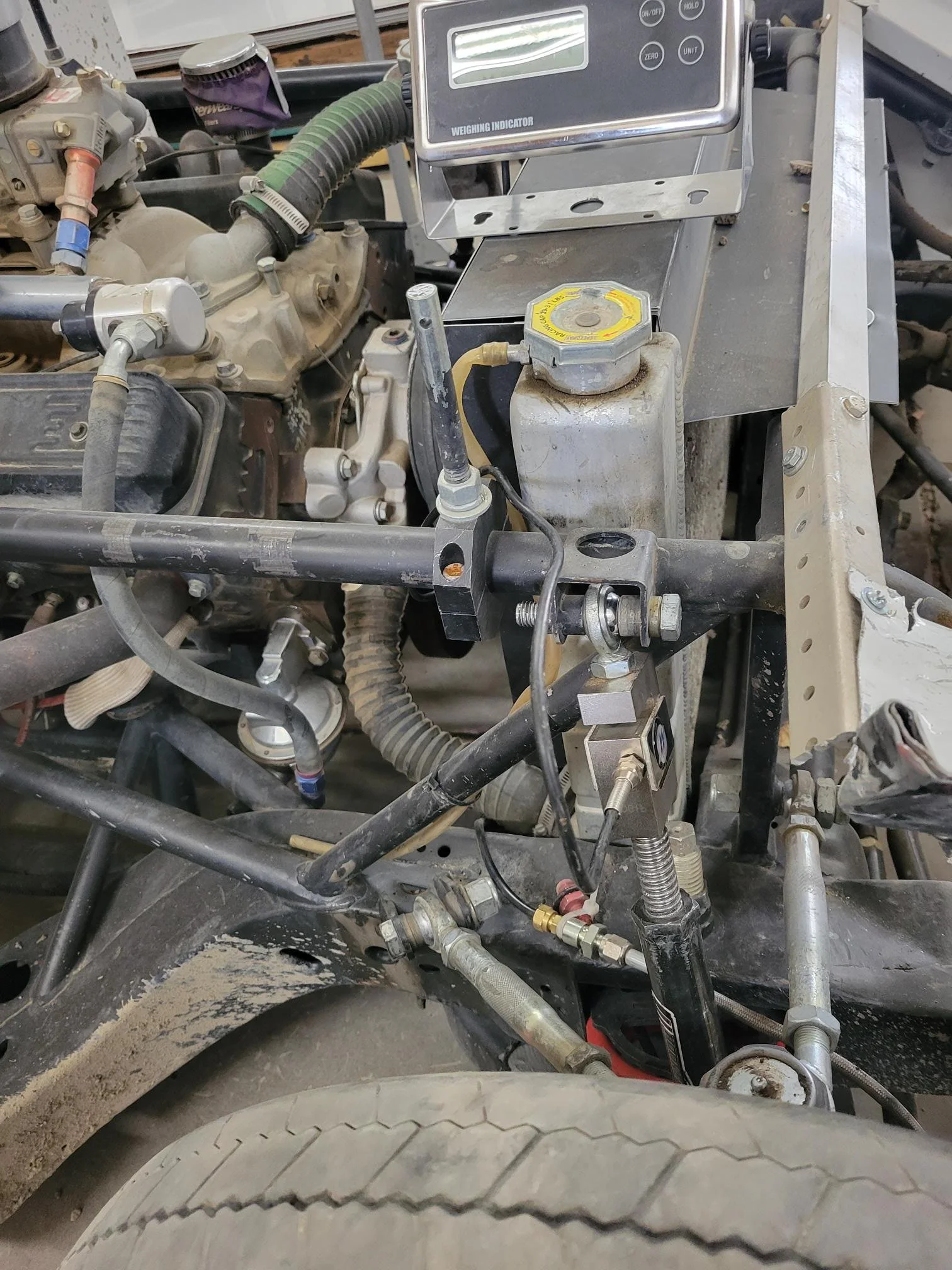
Scale numbers tell us how much weight is on each tire, but spring loads give us another way to document what is happening at each corner of the race car. Once the chassis is set and scaled, we can check and record spring-load information to further define the car’s baseline.
-
Spring loads are checked and documented at each applicable corner, providing another important measurement for understanding and repeating the baseline setup.
-
Spring and suspension measurements are recorded where applicable, giving us a reference for how each spring is installed and loaded at the established ride height.
-
On applicable setups, the left-rear spring and suspension are also evaluated in relation to hike and chain travel, providing additional information about the car’s rear suspension baseline. Your Modified procedure specifically records LR spring preload and compression at full hike.
-
The final spring information is documented alongside the rest of the setup so future spring, ride-height, or chassis adjustments can be compared against the original baseline.
KNOW MORE ABOUT YOUR SETUP
By combining spring-load information with ride heights, suspension geometry, tires, and scale numbers, we create a more complete picture of how the race car is set up when it leaves the shop.
YOUR BASELINE. DOCUMENTED.
Measure It • Record It • Reference It
When your Setup & Alignment service is complete, you’ll receive a detailed setup sheet documenting the important measurements and settings from your race car. This gives you a known baseline that you can reference throughout the season as track conditions change and adjustments are made.
-
Your setup sheet records the key measurements established during the appointment, giving you a detailed snapshot of how the race car was configured when it left the shop.
-
Alignment, suspension geometry, mounting locations, bar angles, wheelbase, ride heights, and other applicable chassis measurements are documented.
-
Spring information, tire sizes, pressures, stagger, corner weights, chassis percentages, and other baseline information are recorded for future reference.
-
Use your setup sheet to record changes as you race the car, helping you compare adjustments and return to a known baseline when needed. Your SportMod guide specifically recommends keeping the sheet with the car and recording future changes.
KNOW WHERE YOU STARTED. KNOW WHAT YOU CHANGED.
Good setup information turns adjustments into something you can learn from instead of guesswork.
THE BASELINE IS JUST THE BEGINNING
Race • Record • Adjust • Learn
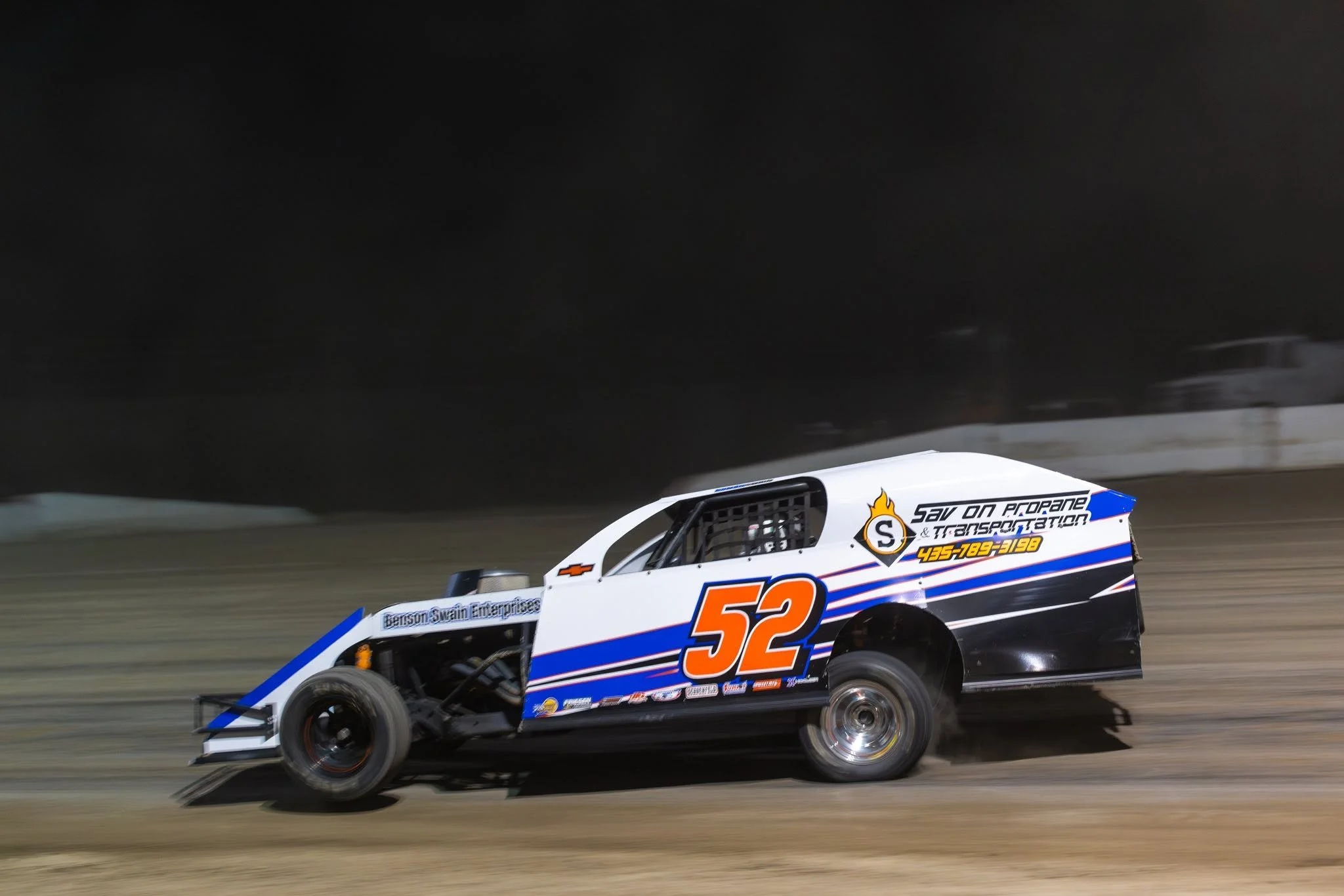
A professional setup gives your race car a known starting point, but every track and racing surface is different. Once the car hits the track, driver feedback and what the chassis is doing become the next pieces of the setup process.
-
Record whether the racing surface is tacky, slick, rough, smooth, or changing throughout the night so setup changes can be evaluated in context.
-
Pay attention to what the race car is doing on entry, through the center, and on exit. Clear driver feedback helps identify where adjustments may be needed.
-
Track suspension travel, left-rear hike, tire pressures, tire wear, temperatures, and stagger changes to build useful information about how the car is responding.
-
Make small, controlled changes rather than changing several things at once. Your setup guide recommends making only one or two controlled adjustments at a time, making it easier to determine what actually helped or hurt the car.
TURN LAPS INTO INFORMATION
The more accurately you record track conditions, driver feedback, and setup changes, the more useful your baseline becomes. Over time, you can build a setup notebook that helps you make more informed decisions when conditions change.
SUPPORT AFTER THE SETUP
Race • Learn • Communicate • Improve
A setup appointment gives you a solid baseline, but racing conditions and driver needs are constantly changing. Shaw Race Cars by Hooked Up provides continued technical support to help you understand what the car is doing and work through adjustments as your racing program develops.
-
Tell us what the race car is doing on entry, through the center, and on exit. The more detailed the feedback, the better we can help work through possible adjustments.
-
Have a question about springs, bar locations, ride heights, stagger, percentages, or another chassis setting? We can help you work through your setup using your documented baseline as a reference.
-
Use your baseline along with current track conditions to make controlled adjustments rather than changing multiple components without knowing which change affected the car.
-
Reference setup information and procedures to help maintain your baseline, document changes, and better understand the adjustments available on your race car.
START WITH DATA. BUILD WITH EXPERIENCE.
Your setup sheet gives us a common reference point. By keeping track of changes, track conditions, and driver feedback, we can have more productive conversations about what the race car may need next.
READY TO GET YOUR RACE CAR DIALED IN?
Start With a Known Baseline. Build From There.
Whether you’re racing an IMCA Modified or IMCA Northern SportMod, our Setup & Alignment service gives you a detailed, documented starting point for your racing program. From front-end geometry and rear suspension to springs, tires, scaling, and spring loads, we’ll work through the car and establish a baseline you can take to the track and build on.